A practical guide for Travel Advisors
The list of 2026’s winners is here
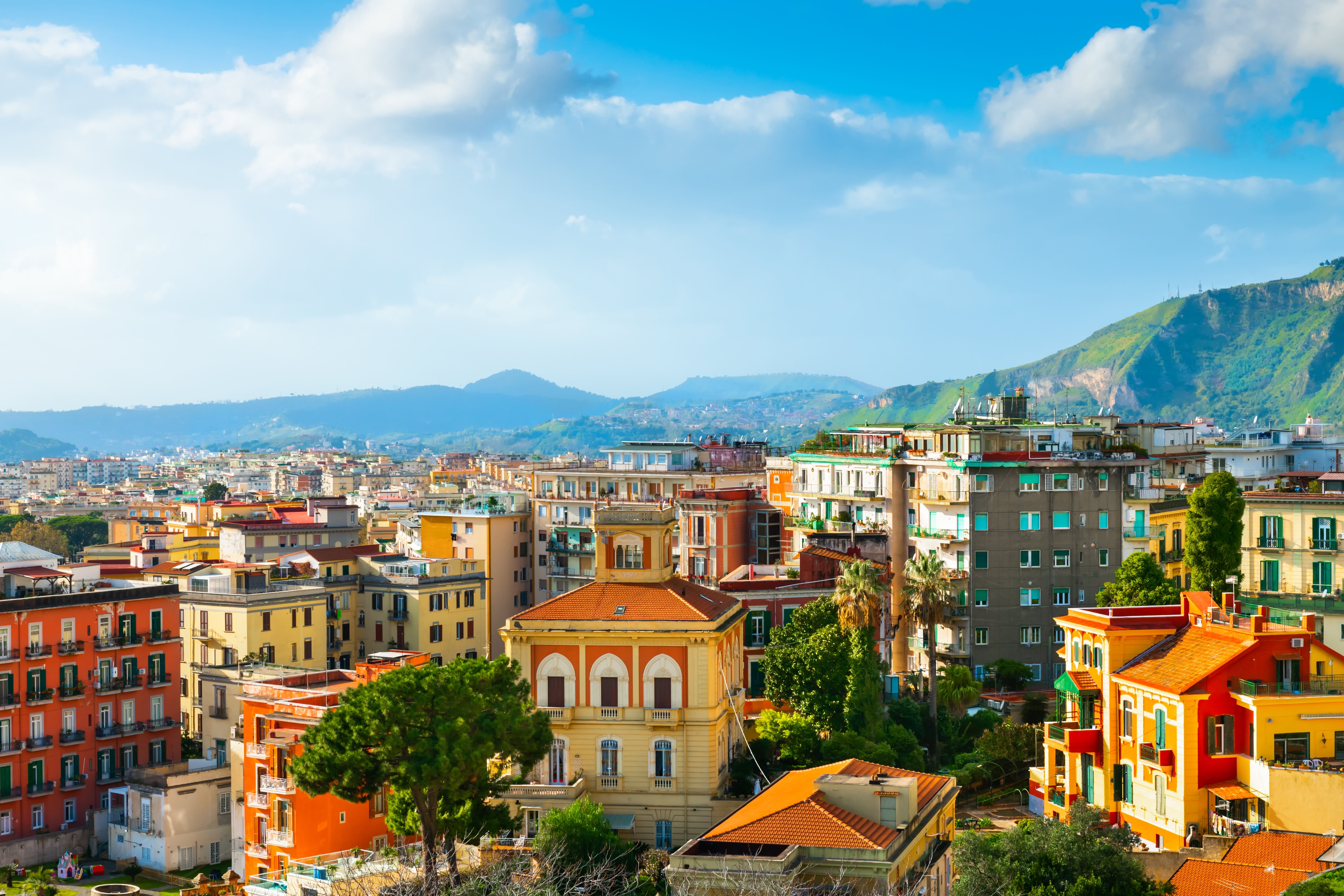
Authentic and immersive are today’s travel watchwords. Every traveler wants them. But the usual suspects, like Paris and Barcelona, are increasingly crowded and sometimes feel manufactured for tourists. Lovely as they are, they’re no longer the genuinely special destinations that many travelers seek.
For those who want to go beyond checking boxes, Europe’s “Capital” destinations showcase the continent at its best. Each year, the European Union recognizes cities that excel in culture, sustainability, innovation, and sport. These aren’t consolation prizes for second-tier destinations. The cities are carefully selected and receive substantial investment, expanded programming (particularly the kick-off festivities early in the year), and a year in the international spotlight. They’re compelling destinations that offer advisors a fresh roster of places to recommend to clients who seek depth over crowds in 2026.
These are Europe’s stamp of approval for cities that do exceptional work in specific areas. Since 1985, the European Capital of Culture title has been awarded to cities with vibrant cultural scenes and innovative programming. More recently, the EU has added designations for sport, sustainability, and innovation.
Cities go through rigorous selection processes and commit to year-long programs. They’re chosen because they offer something compelling to both residents and visitors, and because they’re willing to invest in making that something exceptional.
Each country gets a turn, but specific cities are chosen through competition. For European Capitals of Culture, the process starts six years in advance. Cities submit proposals, which are reviewed by independent experts in culture and city development. The top candidates send more detailed applications, and the panel selects a winner. Nonprofit bodies follow similar processes to choose the European Capitals of Sport, European Green Capitals, and European Capitals of Innovation.
When a city earns one of these designations, it’s making a promise to deliver. Selection typically happens years in advance, giving municipalities time to prepare. That preparation translates into benefits like upgraded infrastructure, new museums and cultural venues, expanded public spaces, and small businesses catering to tourism. All of this makes them attractive for multi-night stays and immersive itineraries.
Many of these benefits will last beyond 2026, but there’s plenty of limited-time programming. Oulu, Finland, for instance, is mounting exhibitions and performances specifically for its 2026 Capital of Culture year. Naples is organizing one-off sporting events and festivals tailored to its Capital of Sport designation.
The programming varies with the designations, but between them, they offer something for everyone. Cultural travelers will find music festivals, art exhibitions, and performances that range from traditional to cutting-edge. Active and sports-focused clients have opportunities for outdoor adventures, expanded access to everything from sailing to cycling, participatory sporting events like marathons, and wellness programming. Culinary enthusiasts will encounter food festivals, regional showcases, and collaborations between local and international chefs.
Sure, there are compelling reasons to visit during the celebrations of 2026. But capital designations also leave lasting legacies. New infrastructure and cultural venues remain. So do the small businesses that opened to greet the influx of tourism. This makes these destinations smart additions to broader itineraries. While they’ll never take the place of Europe’s marquee capitals, these cities will continue to offer authentic experiences without the tourist saturation.
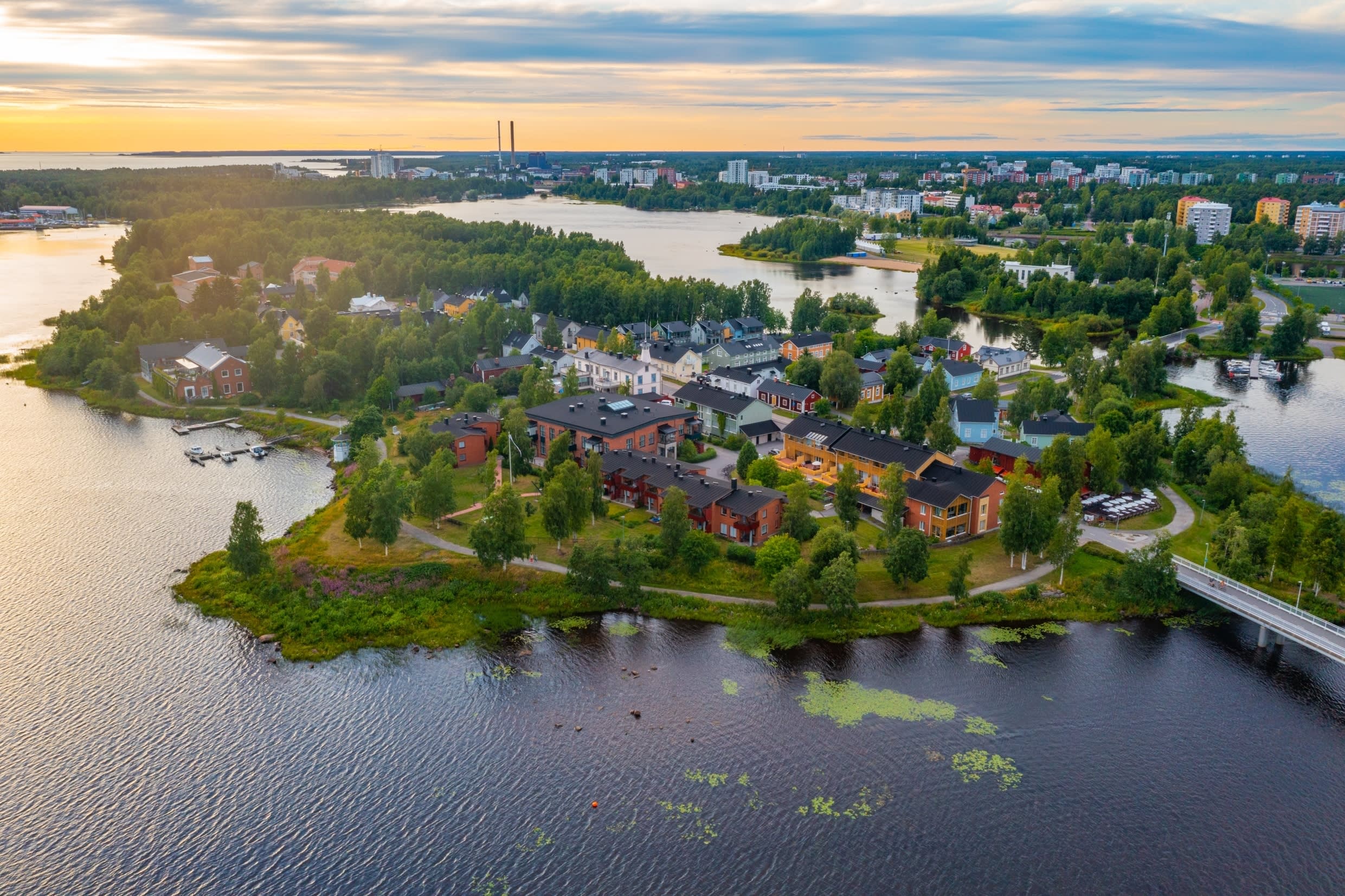
Oulu mixes Arctic culture and contemporary creativity. The northern Finnish city’s designation celebrates its position as a gateway to Lapland while highlighting its vibrant tech and arts scenes. It’s a natural fit with Helsinki or other Nordic capitals. Advisors can build itineraries with Europe Express around the northern lights, winter sports, and cultural programming that explores Finland’s relationship with its Arctic environment.
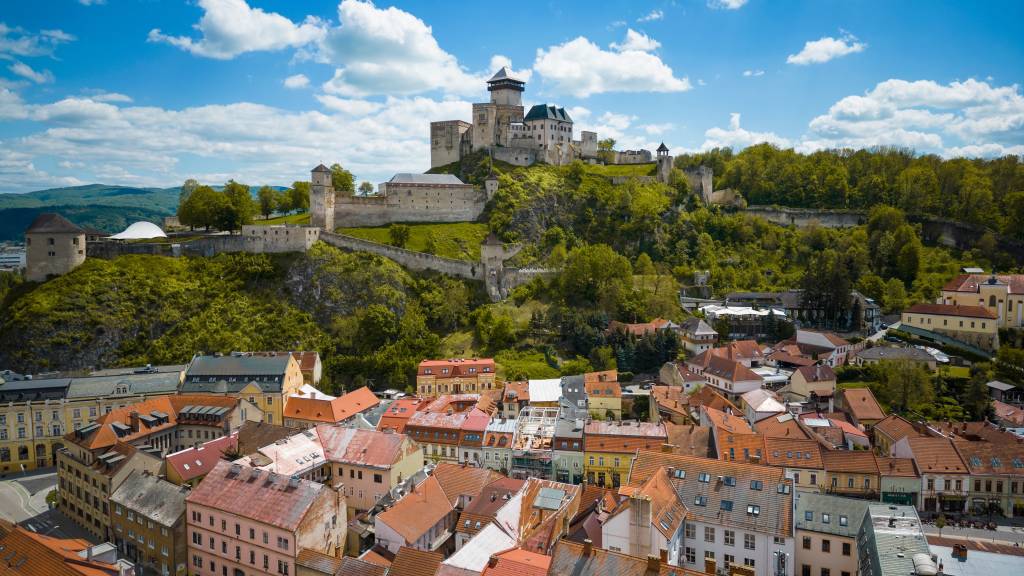
This medieval city in western Slovakia is centered on an impressive hilltop castle overlooking the Váh River. Trenčín’s Capital of Culture year showcases Slovak music, theater, and visual arts alongside the city’s rich architectural heritage. It’s an ideal destination for authentic Central European experiences without crowds. Its proximity to the Czech border makes it an easy addition to Prague-centered itineraries, while its location in Slovakia’s wine country appeals to culinary travelers.
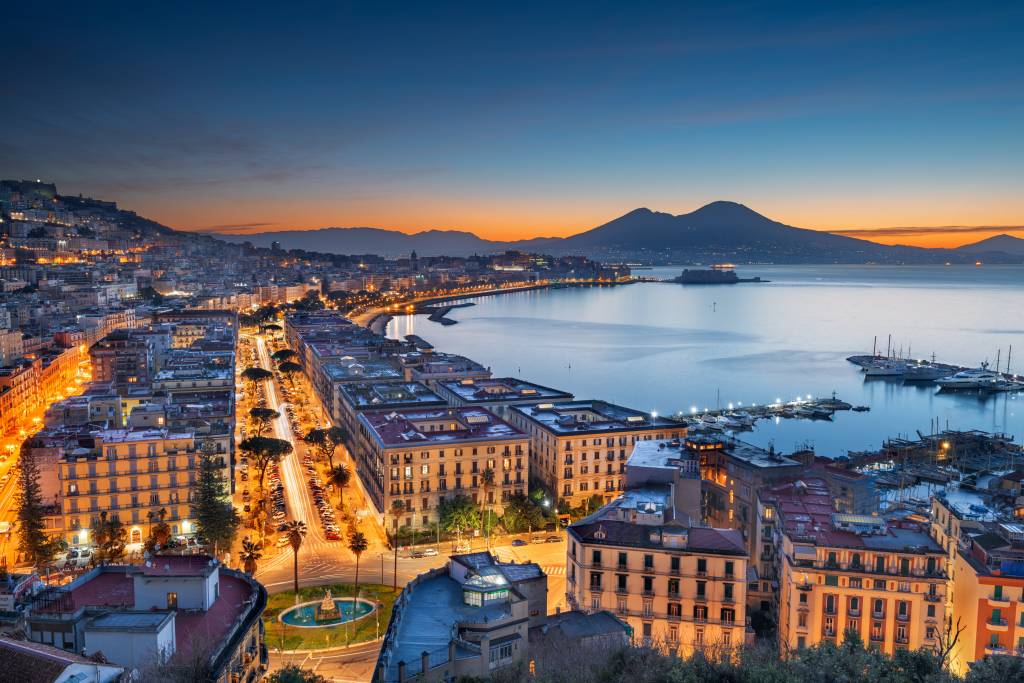
Italy’s third-largest city needs little introduction, but its Capital of Sport designation offers a fresh take. Beyond the archaeological treasures and pizza pilgrimage, 2026 brings programming for outdoor adventure and active travel, from sailing in the Bay of Naples to hiking Mount Vesuvius. The sportified city is also an excellent base for exploring Pompeii, the Amalfi Coast, and the islands of Capri and Ischia.
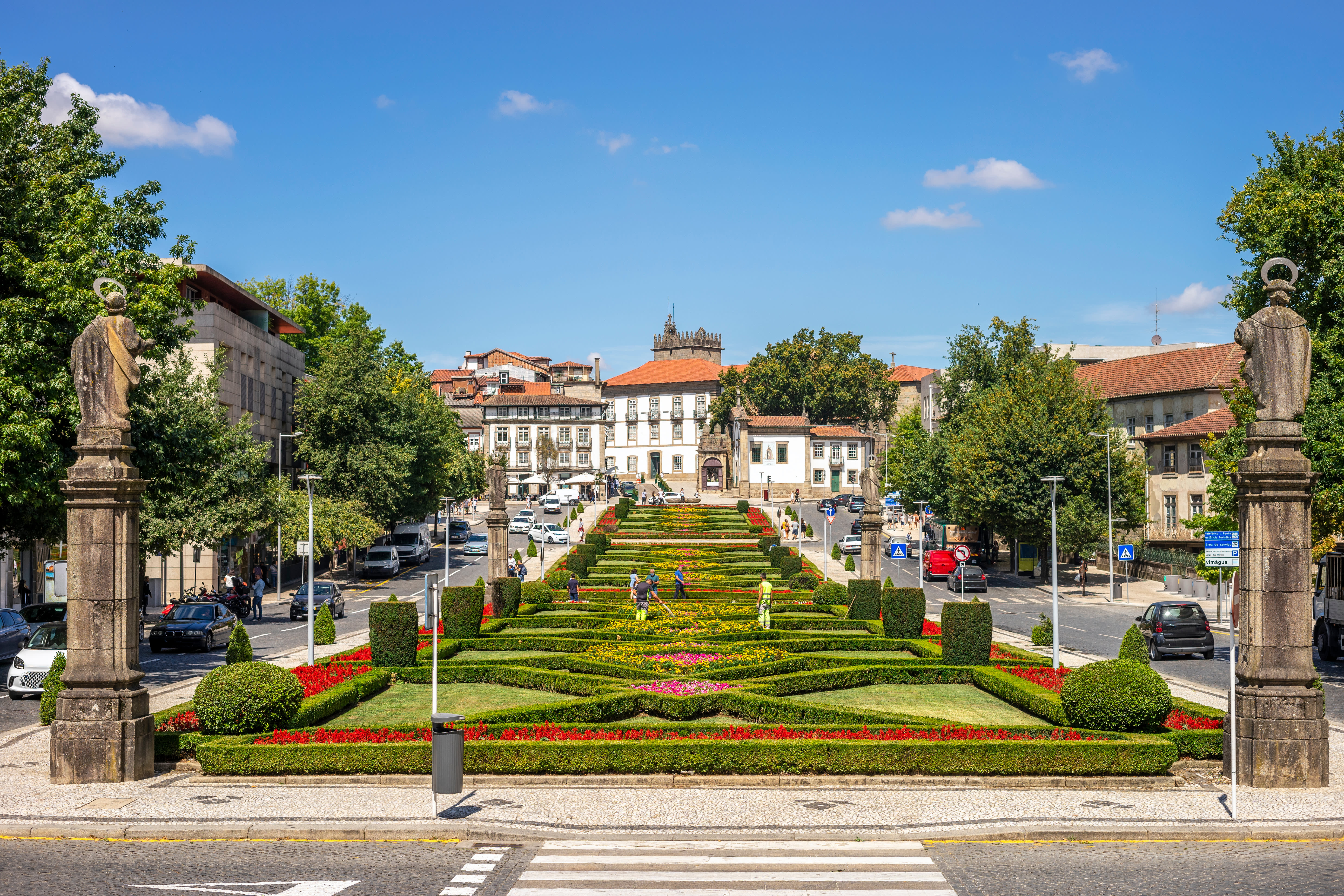
The birthplace of Portugal, Guimarães combines medieval history with contemporary sustainability initiatives. The city’s Green Capital designation highlights its pedestrian-friendly historic center, extensive green spaces, and commitment to environmental innovation. Advisors can position it as a base for exploring northern Portugal and the vinho verde wine region, which makes it appeal to culinary travelers as well.
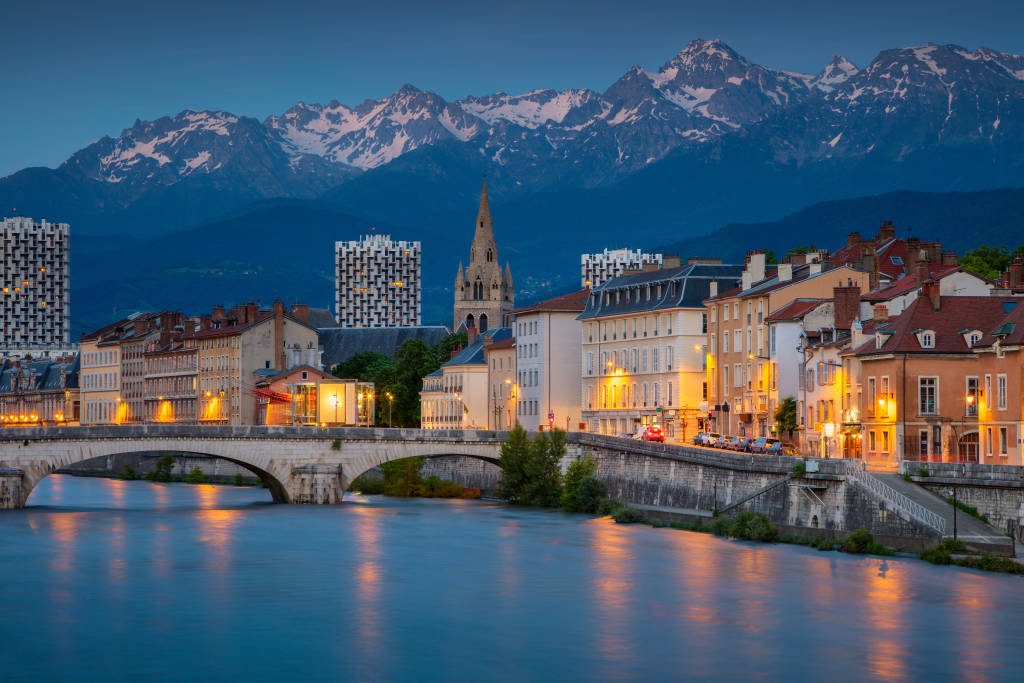
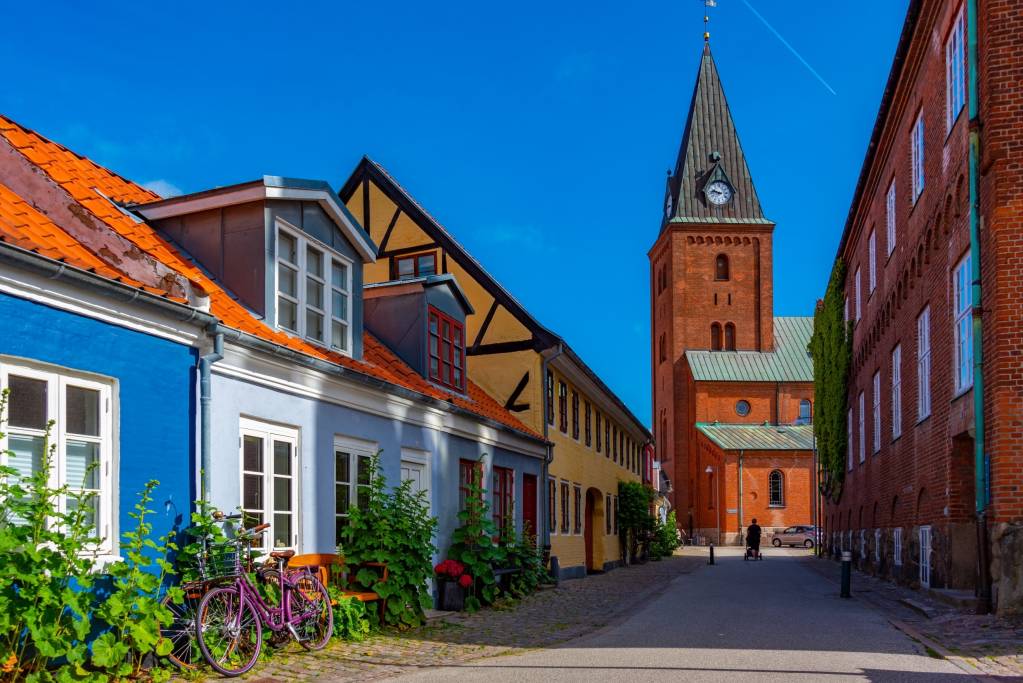
The French Alpine city of Grenoble combines mountain culture with cutting-edge technology. It appeals to clients interested in design, sustainability, and Alpine experiences. Aalborg, Denmark’s fourth-largest city, showcases Scandinavian innovation and design while offering waterfront charm and cultural attractions. Both cities work as additions to classic itineraries, offering substance beyond the typical tourist circuit.
The European Capital designations offer advisors a practical tool for differentiating their recommendations and meeting clients’ evolving preferences. These cities showcase Europe at its most dynamic, most invested, and most ready to welcome travelers seeking authentic experiences.
They might be alternatives to overcrowded or expensive capitals: When clients gravitate toward Italy but worry about Rome’s crowds, suggest Naples. If they want Scandinavia without Copenhagen’s prices, recommend Aalborg or Oulu. Or they could be thoughtful add-ons to classic itineraries: Guimarães along with Lisbon and Porto, or Grenoble as an extension of a journey to explore France’s wine regions.
And for some travelers, they could be the main event. Thanks to 2026’s special programming, culturally curious clients will appreciate Oulu and Trenčín, while the extensive sports programming in Naples can be a catalyst to appreciate the city in a whole new light.
For customized experiences, consider booking with Elevated Journeys, which specializes in high-touch, bespoke requests. These capitals lend themselves to tailored itineraries that dig deeper than surface-level tourism, and their 2026 programming is heavy on experiences that reward personalized planning.